It is fascinating to look back on how the history of the wedding dress and how it became to be what it is today, in research we can find that wearing a special attire for weddings dates back thousands of years. In ancient civilisations like Greece and Rome, brides often wore traditional clothing that symbolised their status, Greek brides would wear tunics call “peplos” or ‘Chitons” which were fastened with decorative pins. These tunics were usually white or light in colour, symbolising purity and joy.
Medieval Brides
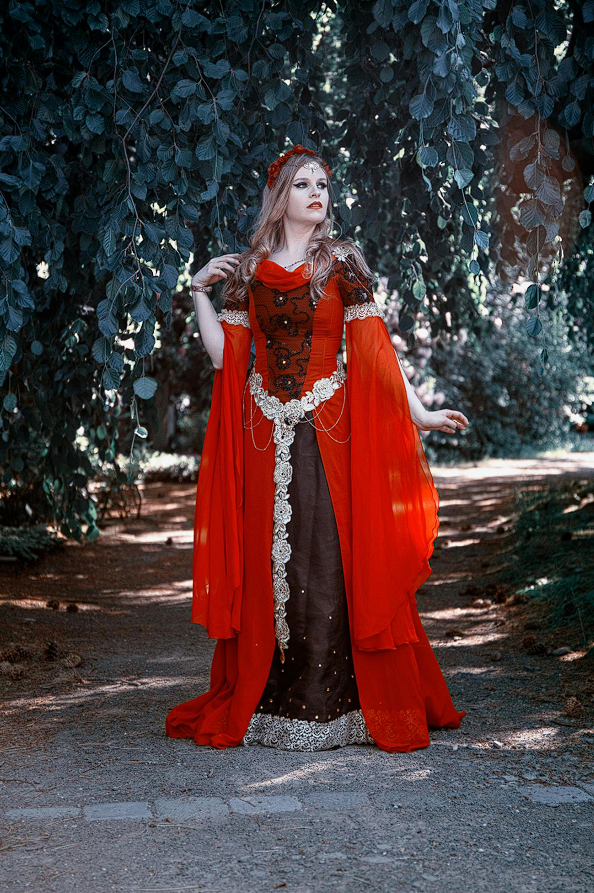
During the Medieval era, marriages were based on political or economic arrangements rather than romantic. Brides from wealthy families wore luxurious gowns made from rich fabrics like velvet, silk, and fur, often in bold colours such as blue, green, red, and gold. The dress was used to display wealth and status rather than a symbol of purity.
Renaissance Brides
During the Renaissance period, dresses became more elaborate and ornate. Brides wore dresses with detailed embroidery, jewels, and wore elaborate headdresses. The style and colour of the dress represented the family’s social standing and affluence. The dress was used to showcase wealth rather than any particular tradition.
The 18th and 19th Centuries – The influence of Royalty
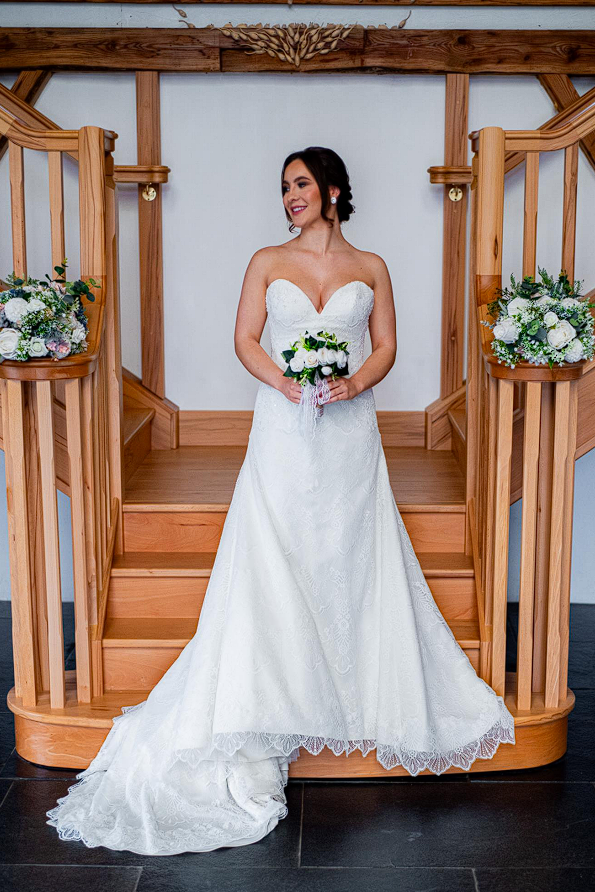
The modern tradition of the white wedding dress began with Queen Victoria, who wore a white gown for her marriage to Prince Albert in 1840. This choice was unconventional at the time and so set the trend for the white wedding dress. Queen Victoria’s dress, was made of silk satin and Honiton lace, and was a symbol of purity and innocence. Dresses were typically long-sleeved and high-necked, which reflected the modesty of the Victorian era.
Early 20th Century
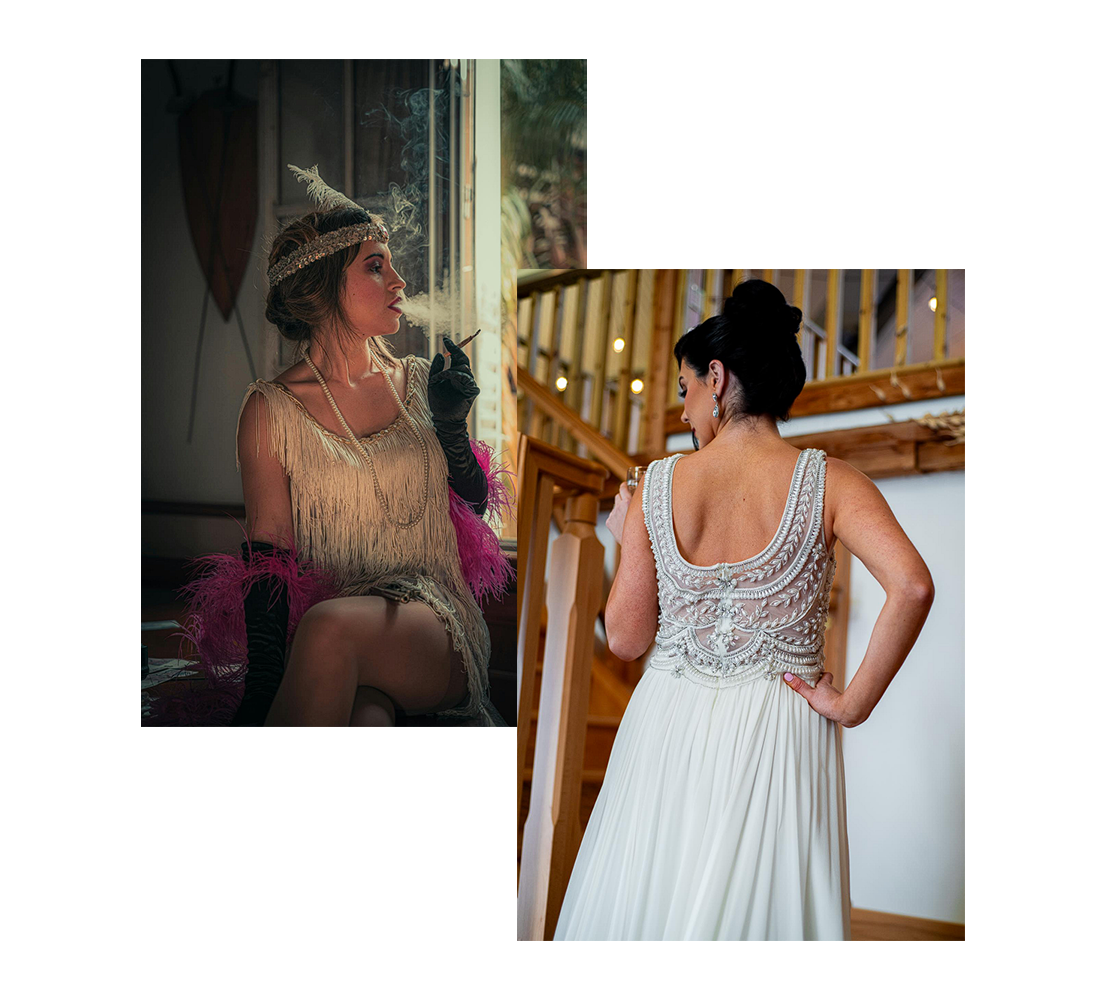
The early 20th century saw many changes in bridal fashion, representing the broader social changes that was happening. The flapper era of the 1920s introduced shorter hemlines and relaxed silhouettes, with dresses often featuring drop waists and elaborate art deco beading. The Great Depression of the 1930s led to more practical and modest dresses, often made with less expensive fabrics.
Mid 20th Century
Post-World War II, the wedding dress industry boomed, with styles becoming elaborate, opulent and glamorous. The 1950s saw the rise of full-skirted dresses inspired by Christian Dior’s “New Look,” and featuring fitted bodices and voluminous skirts. Hollywood also played a role, with iconic brides such as Grace Kelly and Audrey Hepburn setting trends with their elegant and timeless gowns.
Late 20th Century to Present: Diversity and Personalisation
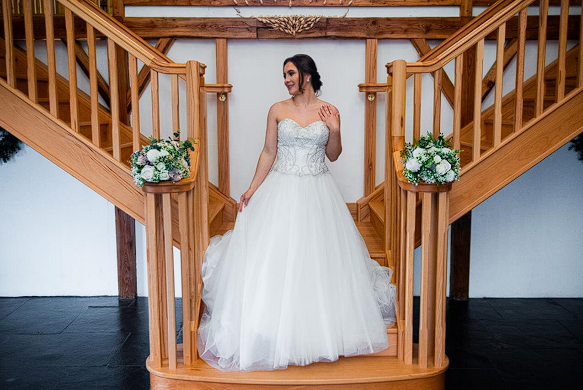
1960s onwards, wedding dresses began to represent the changing social climate and the individuality of brides. The 1960s and 1970s saw a rise in bohemian and minimalist styles, with many brides opting for simple, unadorned gowns. In the 1980s, it changed, to extravagant dresses with puffy sleeves, voluminous skirts, and dramatic veils, mainly influenced by Princess Diana’s iconic wedding dress.
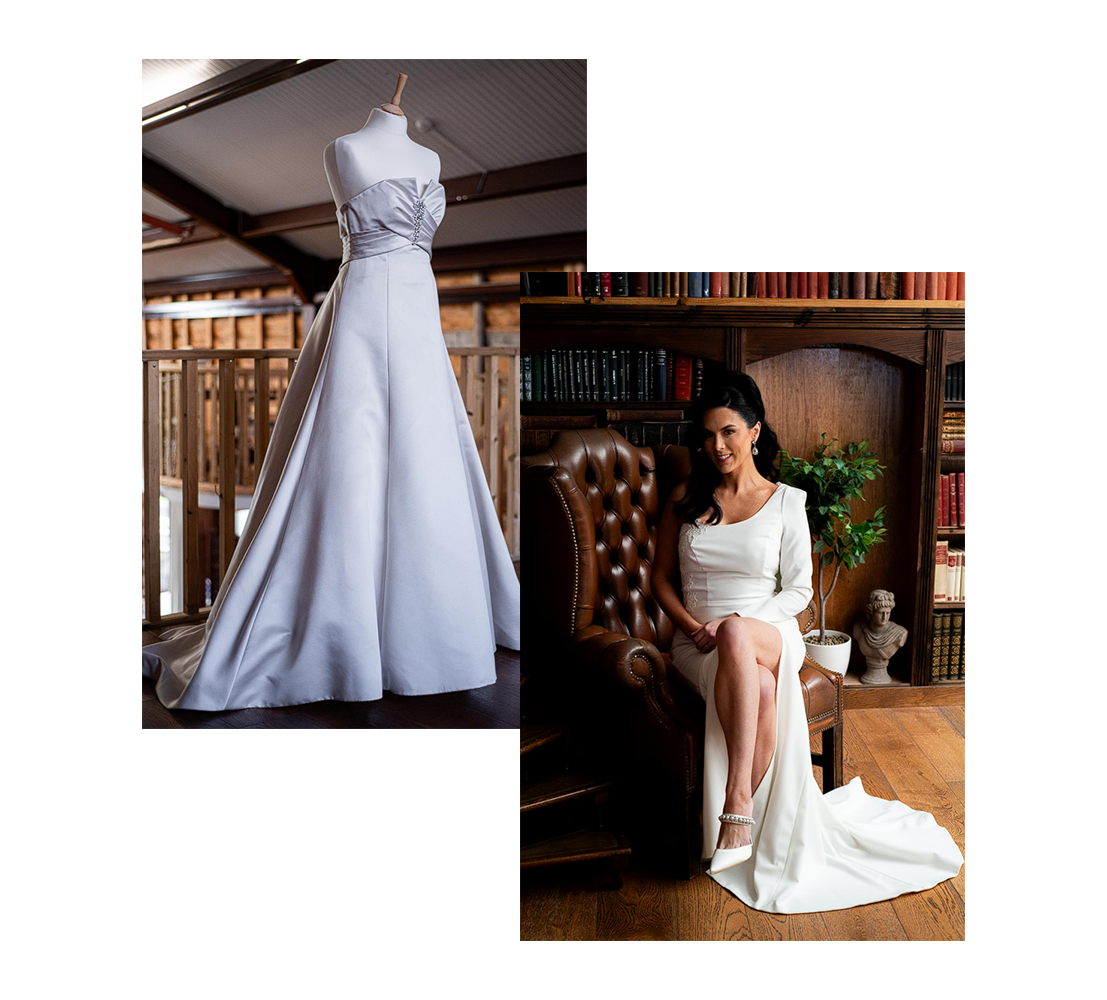
The late 20th and early 21st centuries have seen a change towards greater personalisation in wedding dresses. Brides now have the freedom to choose from various silhouettes, fabrics, and colours. Vintage-inspired gowns, modern minimalist designs, and even colourful dresses have become popular.
The rise of destination weddings and themed weddings has further diversified wedding dress designs. Sustainable and ethical fashion is a buzz word that the modern day bride now considers.
Around the World
While the white wedding dress is a tradition in the Western world, it is important to realise the rich diversity of bridal wear across the world.
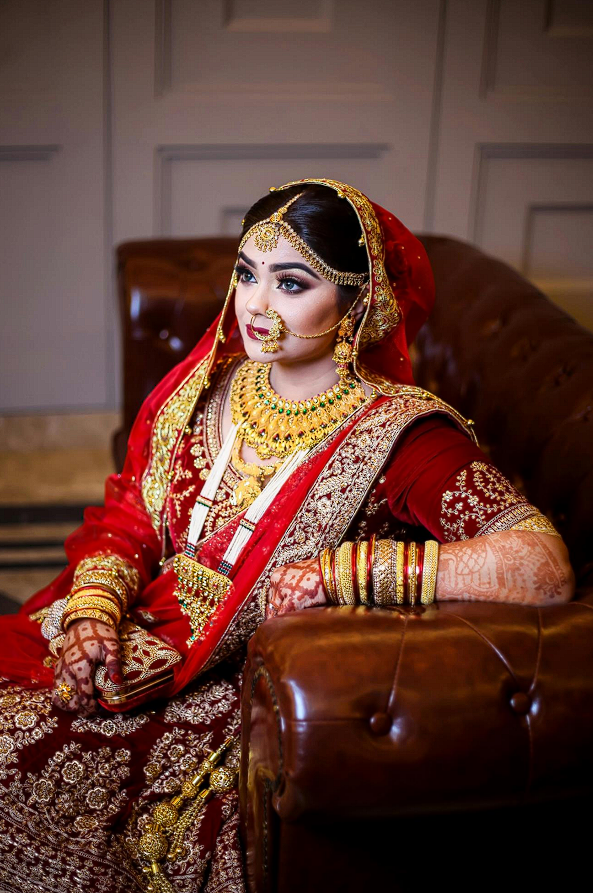
In India, brides traditionally wear red or other vibrant colour’s, often adorned with intricate embroidery and jewellery.
In China, red is also a popular colour for brides, symbolising good luck and prosperity.
Japanese brides may wear a white kimono for the ceremony and a colourful one for the reception.
Each culture brings its own unique traditions and styles to bridal attire, all reflecting a rich history of customs and beliefs.
Conclusion
The history of the wedding dress is a fascinating look through time, representing broader social, economic, and cultural changes. From luxurious gowns of medieval royalty to the personalised and diverse styles of today, wedding dresses continue to be, a timeless symbol of love, commitment, and tradition.
As fashion continues to develop, brides will continue to find new ways to express their unique style and heritage on their special day.
What will be the next new tradition/trend be…..
Bridaltique offers a selection of Wedding dress styles which covers the history of the wedding dress from traditional to modern, so to find your perfect dress which matches your personalised styles, check them out here: