THE DIFFERENT WEDDING DRESS SILHOUETTES.
The wedding dress silhouette is an important consideration for every bride to be, for her special day. The Silhouette choice maybe influenced by many factors, including, the bride’s style, the theme of the wedding, and even family traditions, feelings and other considerations. ultimately the bride must choose a dress that gives her that overriding feeling that she is both beautiful and stunning as she walks down the aisle.
Here are the basic silhouettes found on a Wedding Dress.
BALL GOWNS

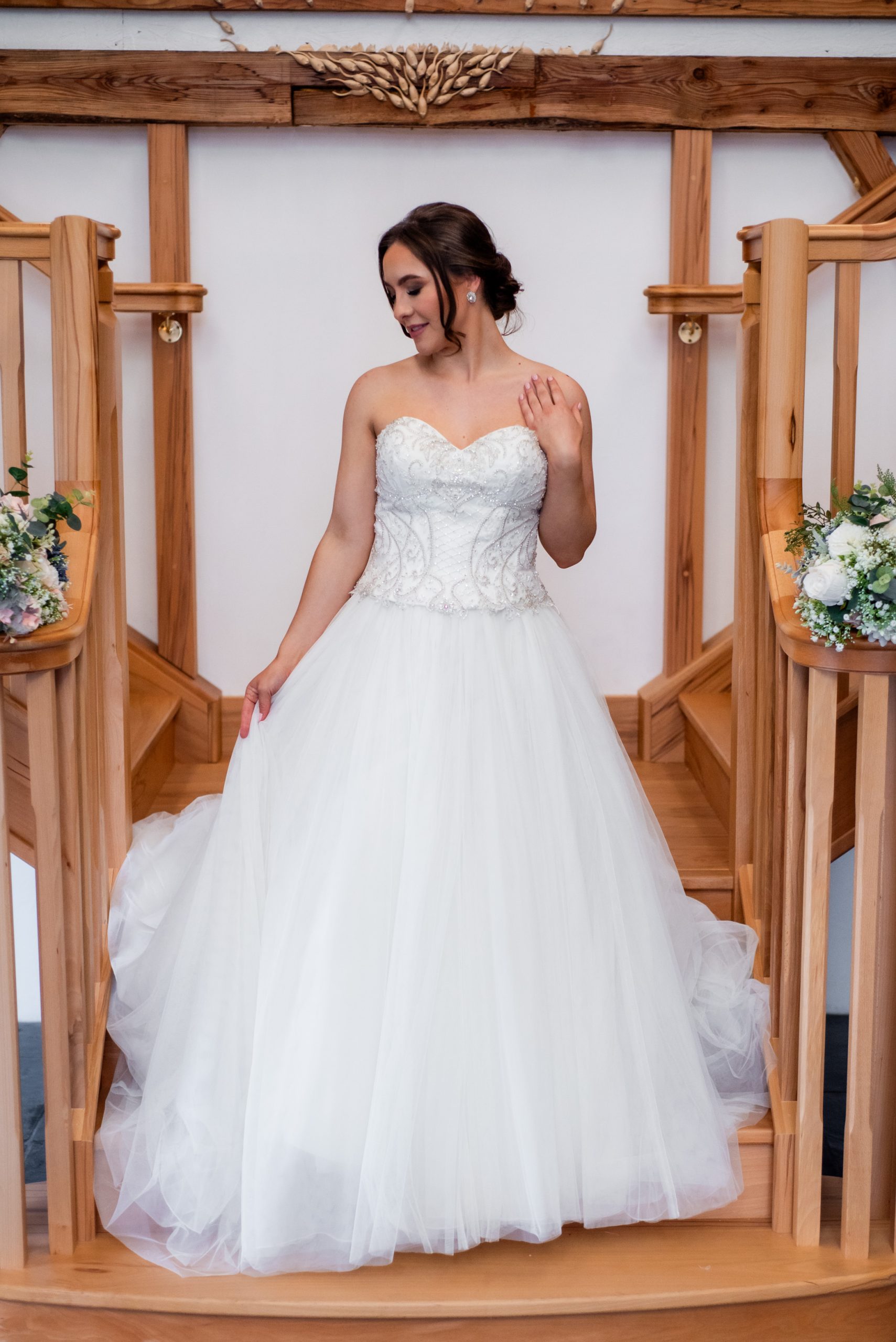

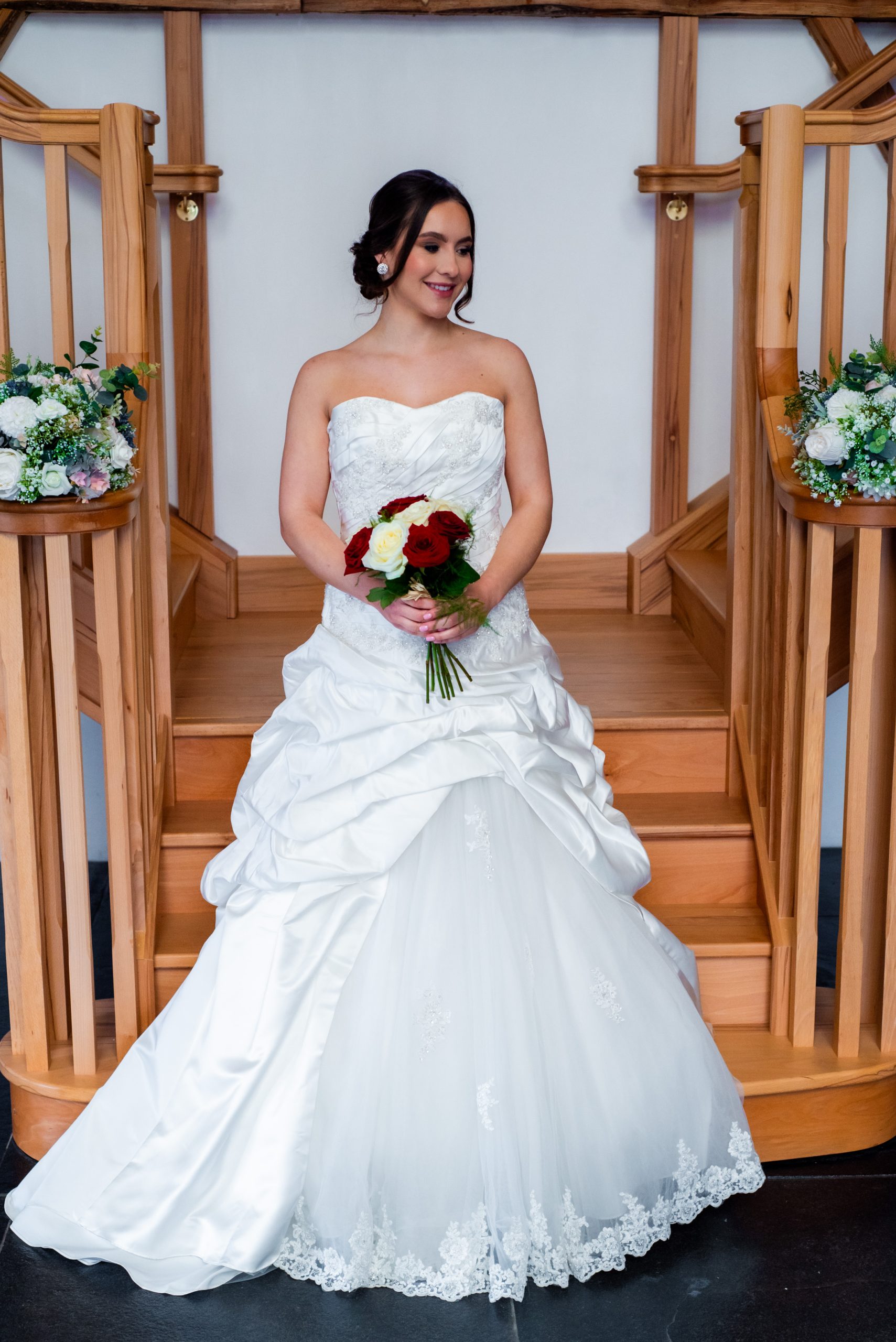
Ball gowns or princess dresses are the epitome of a fairy tale romance. The silhouette generally has a fitted bodice and a dramatically full skirt, with several layers of tulle or netting, and can be made fuller with the use of petticoats with hoops. This type of dress is perfect for the bride who wants to feel like royalty, or who wants to make an amazing impact on her special day.
A LINE


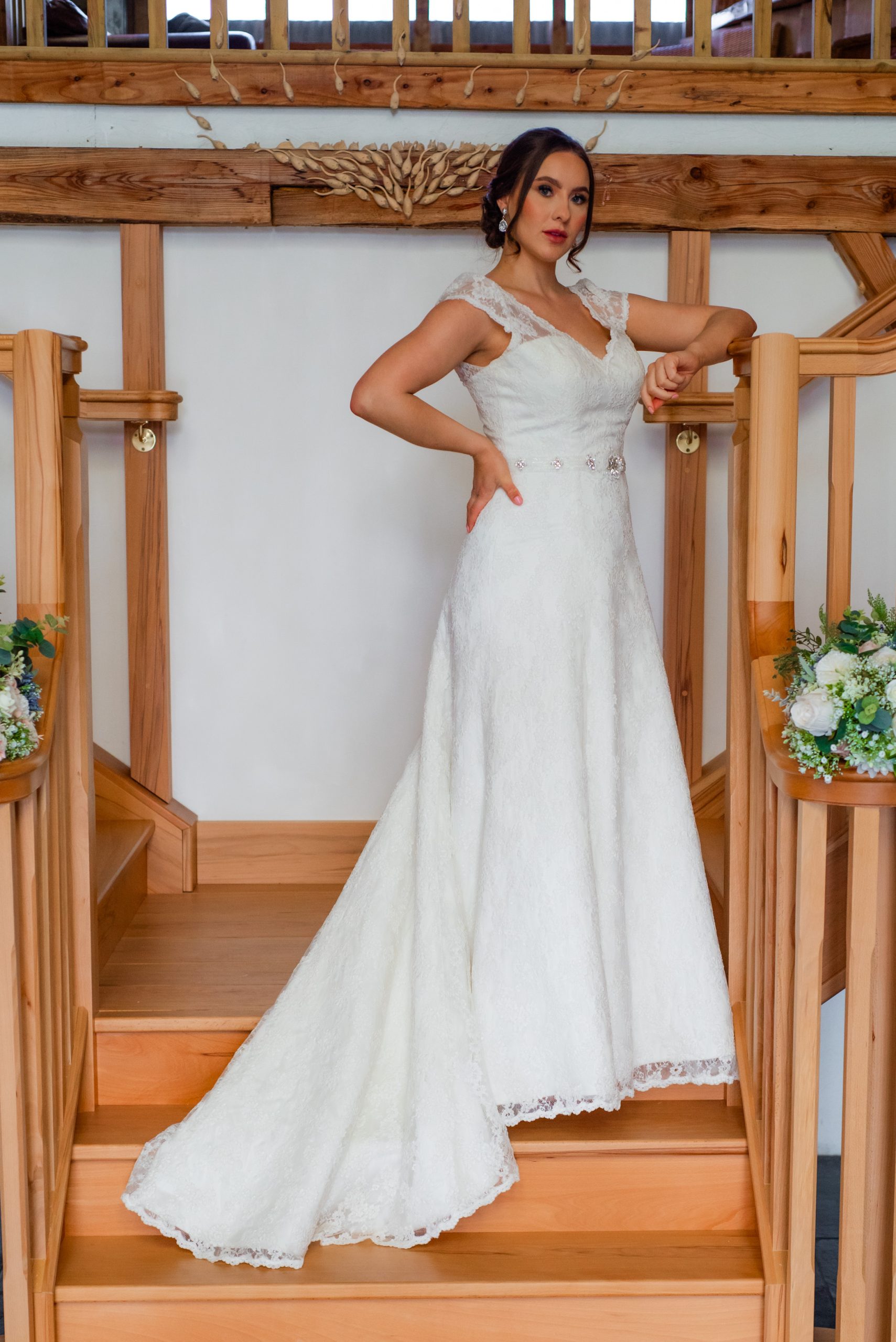
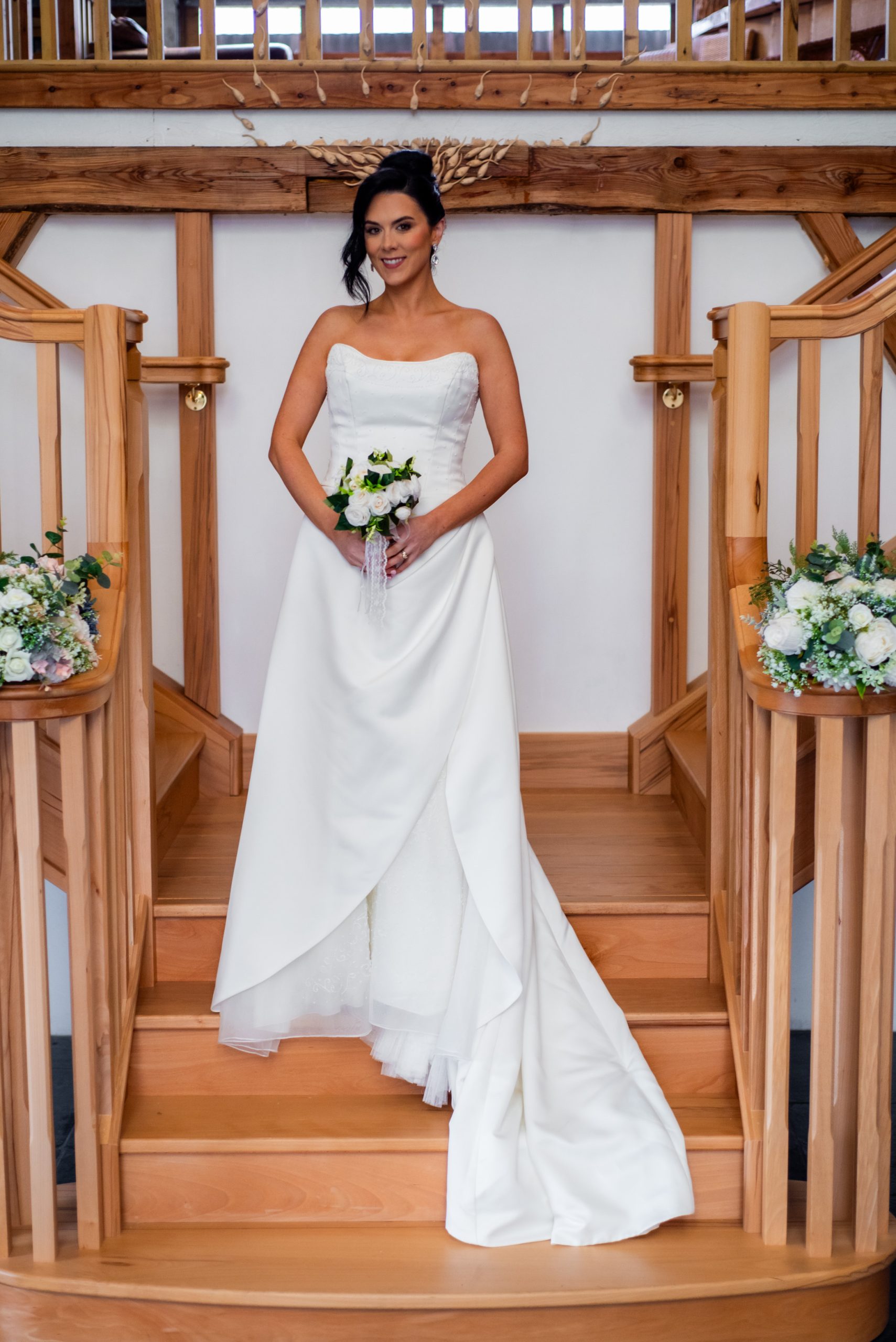
The classic A line silhouette is so named as it resembles the Capital letter “A”. It is an universally flattering style, and generally consists of a fitted bodice and a skirt that gradually flares our from the waistline, in a a soft flowing line. It can be similar in shape to the ball gown but with a less dramatic and full skirt. The silhouette is versatile and ideal for several wedding settings, from a casual outdoor ceremony, to the more formal church wedding.
COLUMN DRESS
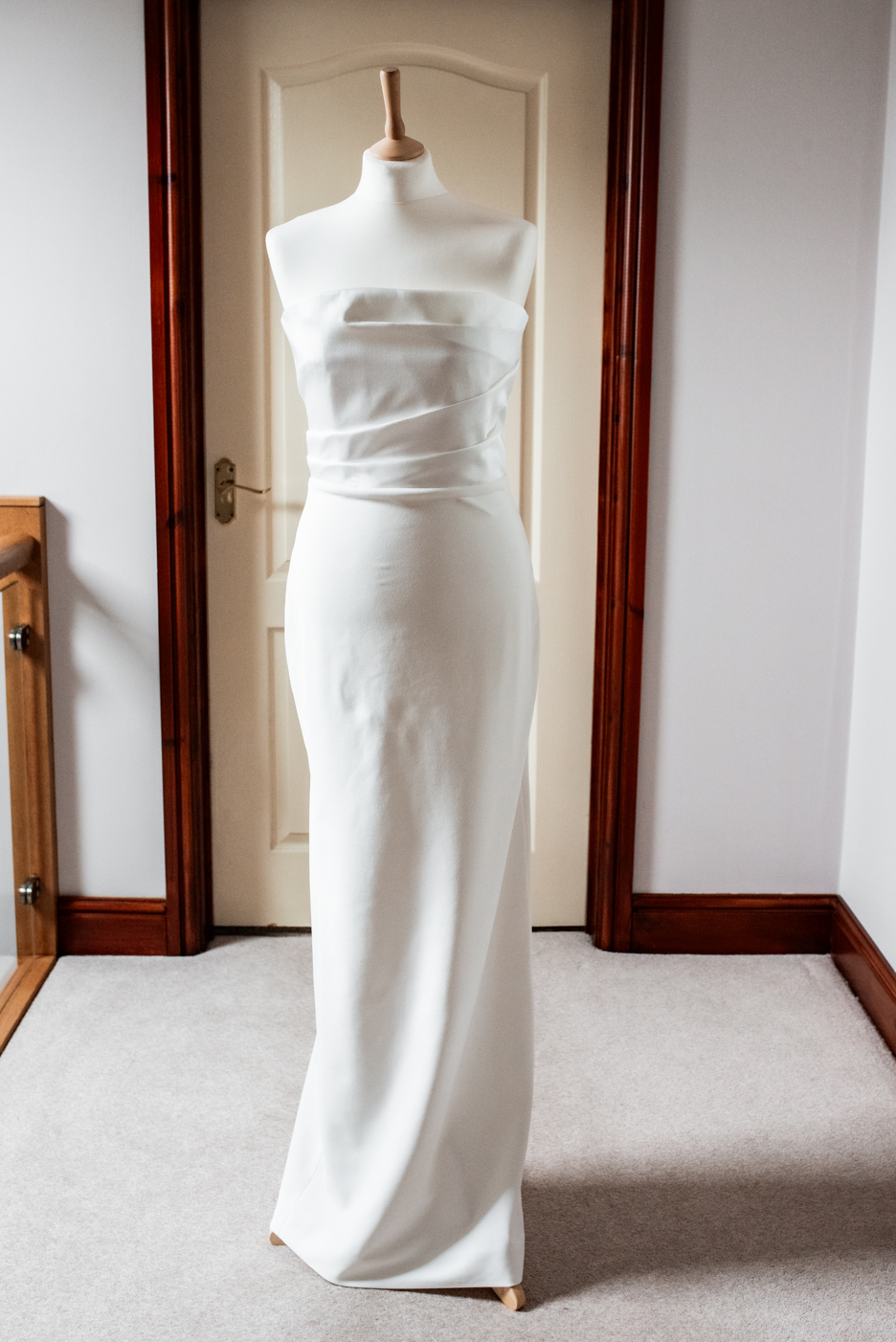
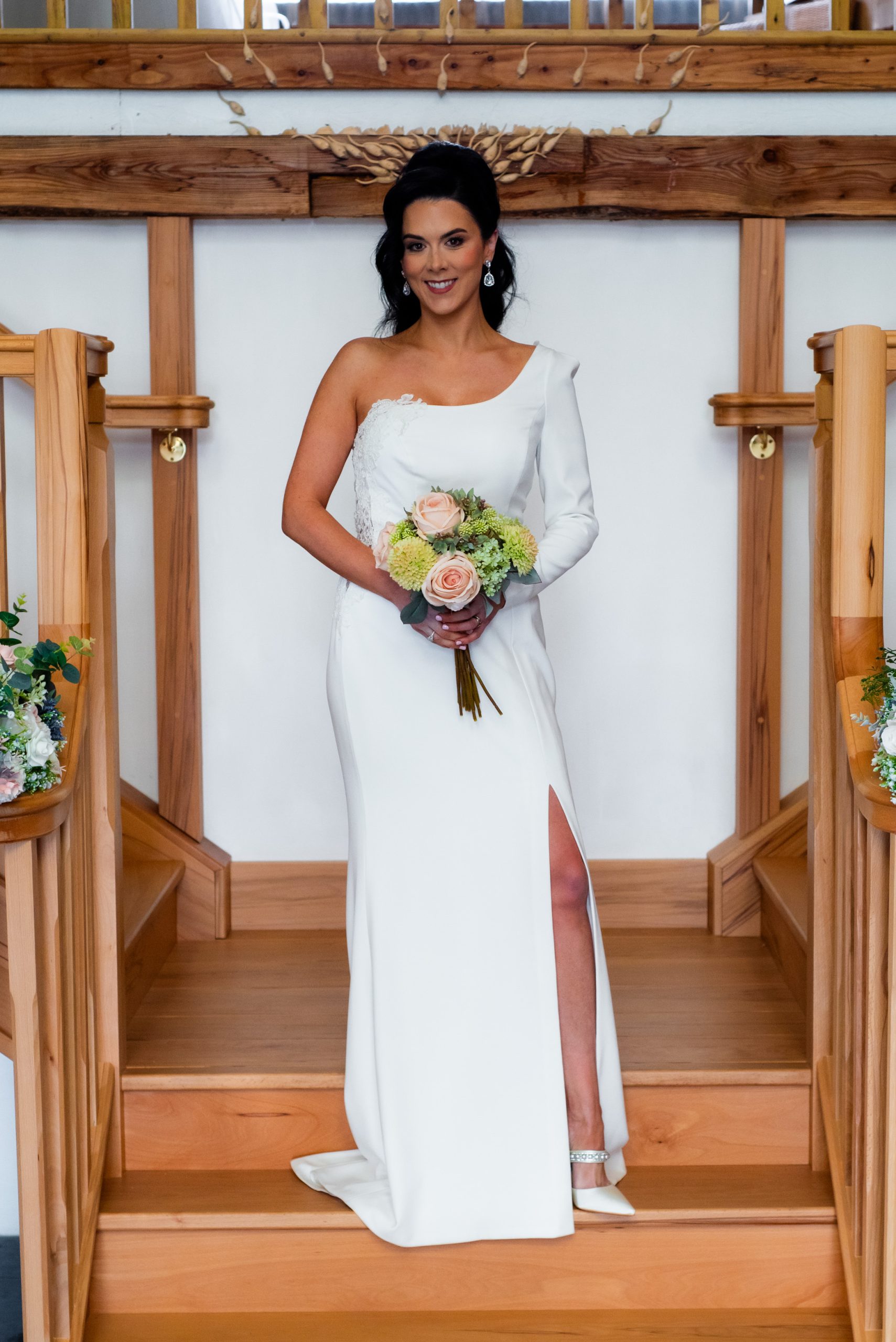
Column dress or Sheath dress is sleek and delicate, featuring a slim dress that flows straight down to the hem with very little fullness. They tend to have be lightweight fabrics and will hug the body. Ideal for the bride who prefers a more minimalistic look, although sometimes these types of dresses are often adorned with amazing beadwork, pleats, or lace which gives elegance to the dress. This type of silhouette is suited for casual beach, or city weddings due, to the understated elegance.
EMPIRE LINE
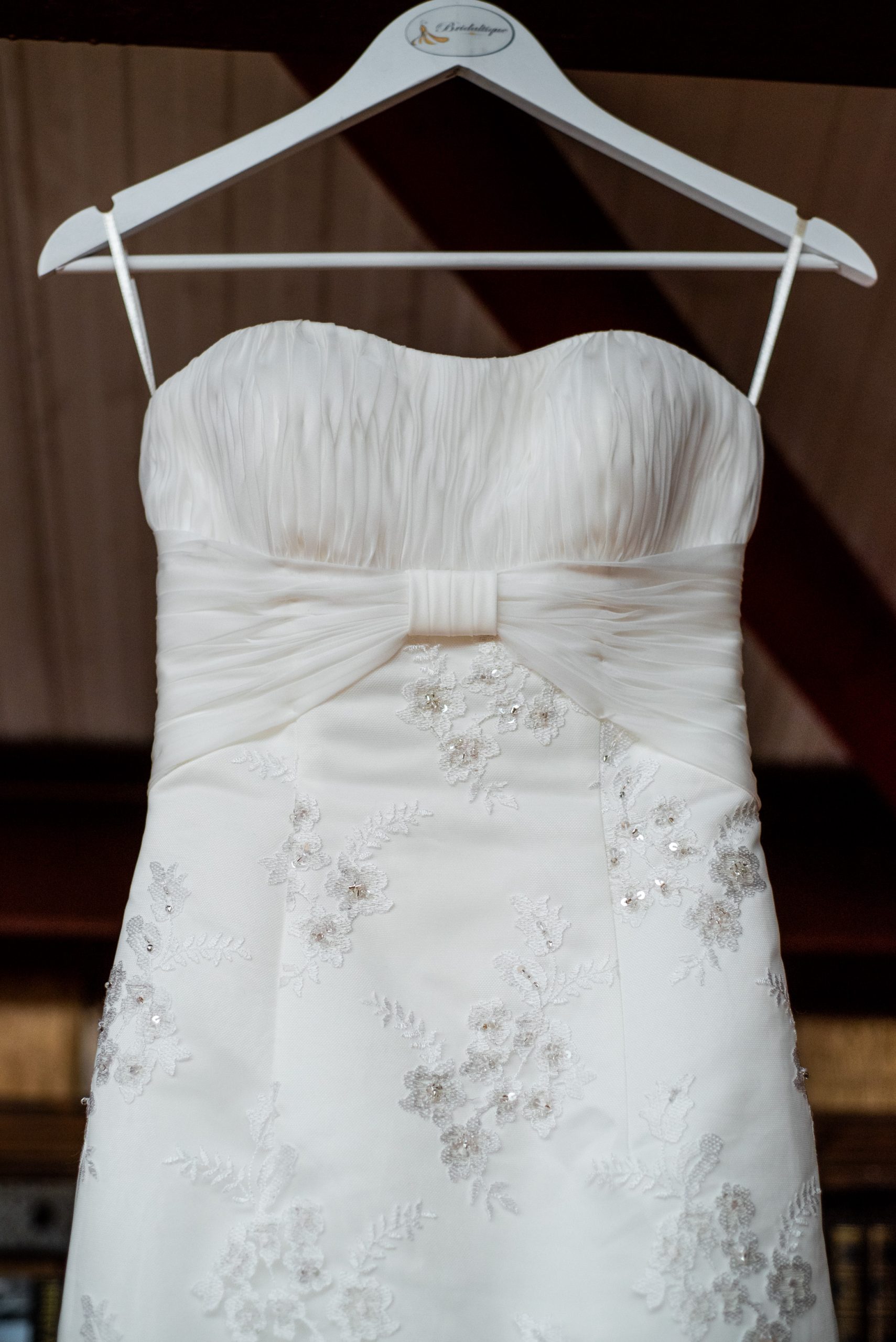
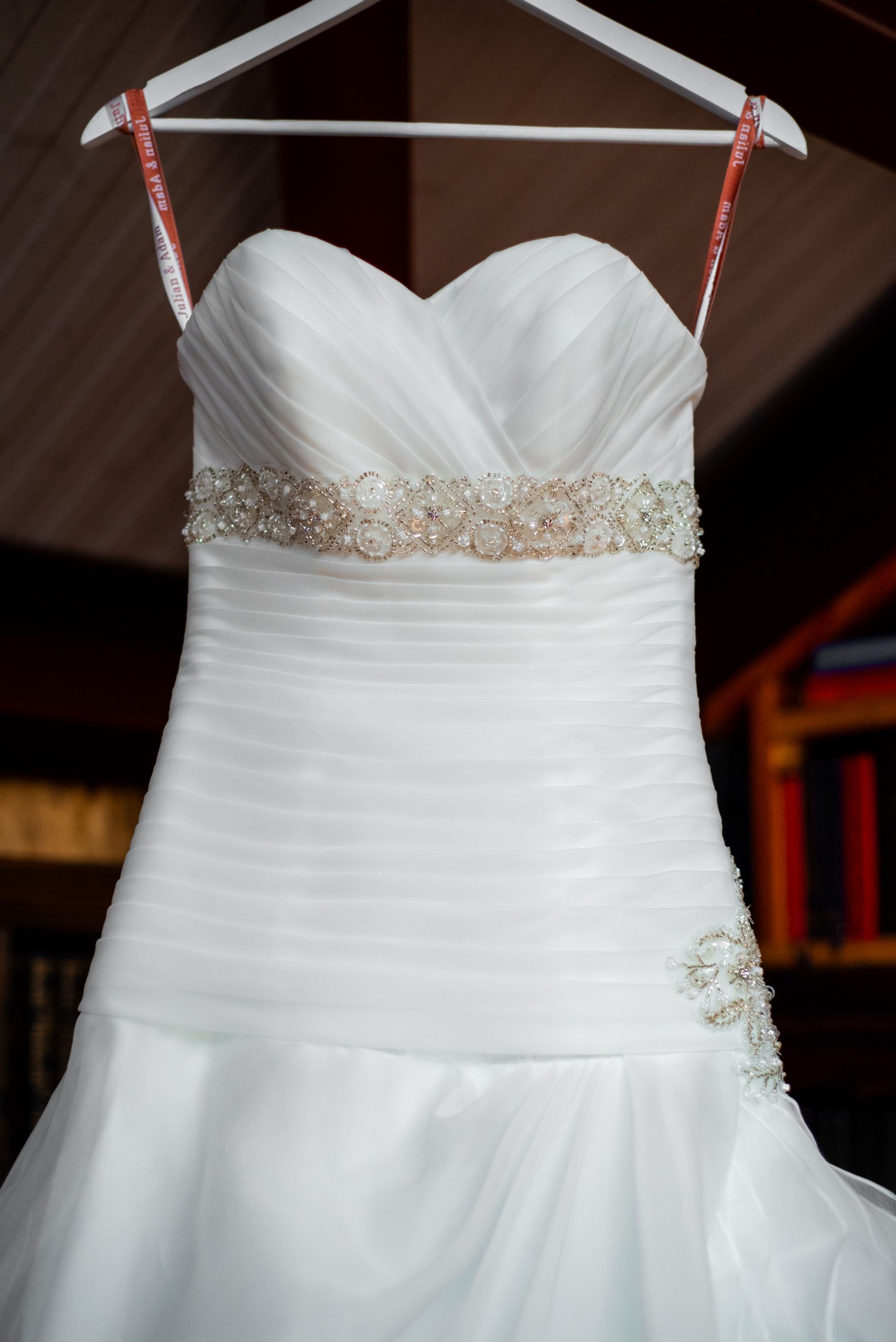

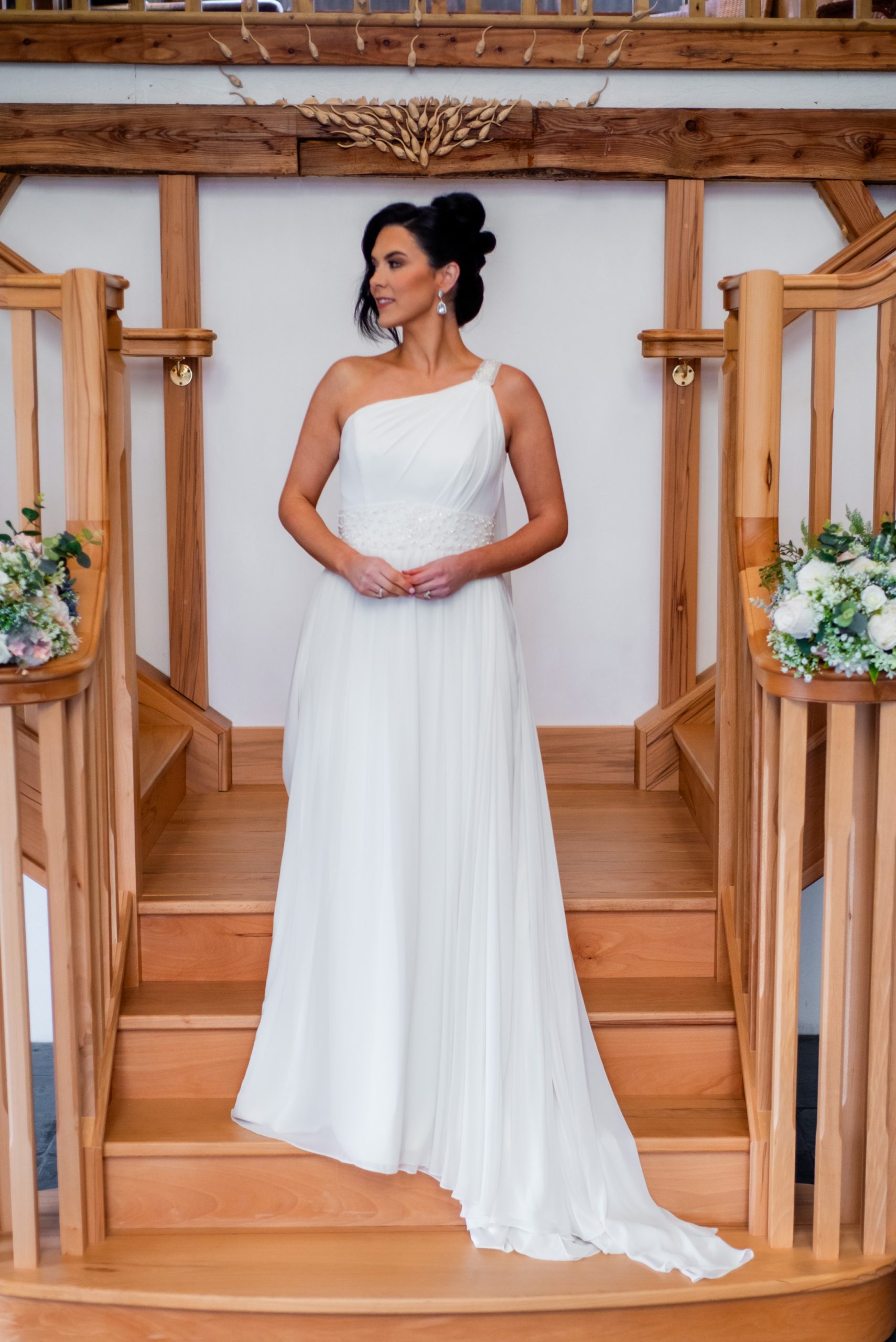
It could be argued that this type of dress is more about the waistline position and less about the silhouette, as it basically represents a high waistline that sits just below the bust. The rest of the dress can fall from the empire seam into various styles, mainly into a sleek and elegant skirt, or sometime into a more pleated skirt. This type of dress represents romantic and ethereal feel – think of Downtown Abbey styling. This type of dress is suitable for a garden or a bohemian – themed wedding.
FIT AND FLARE


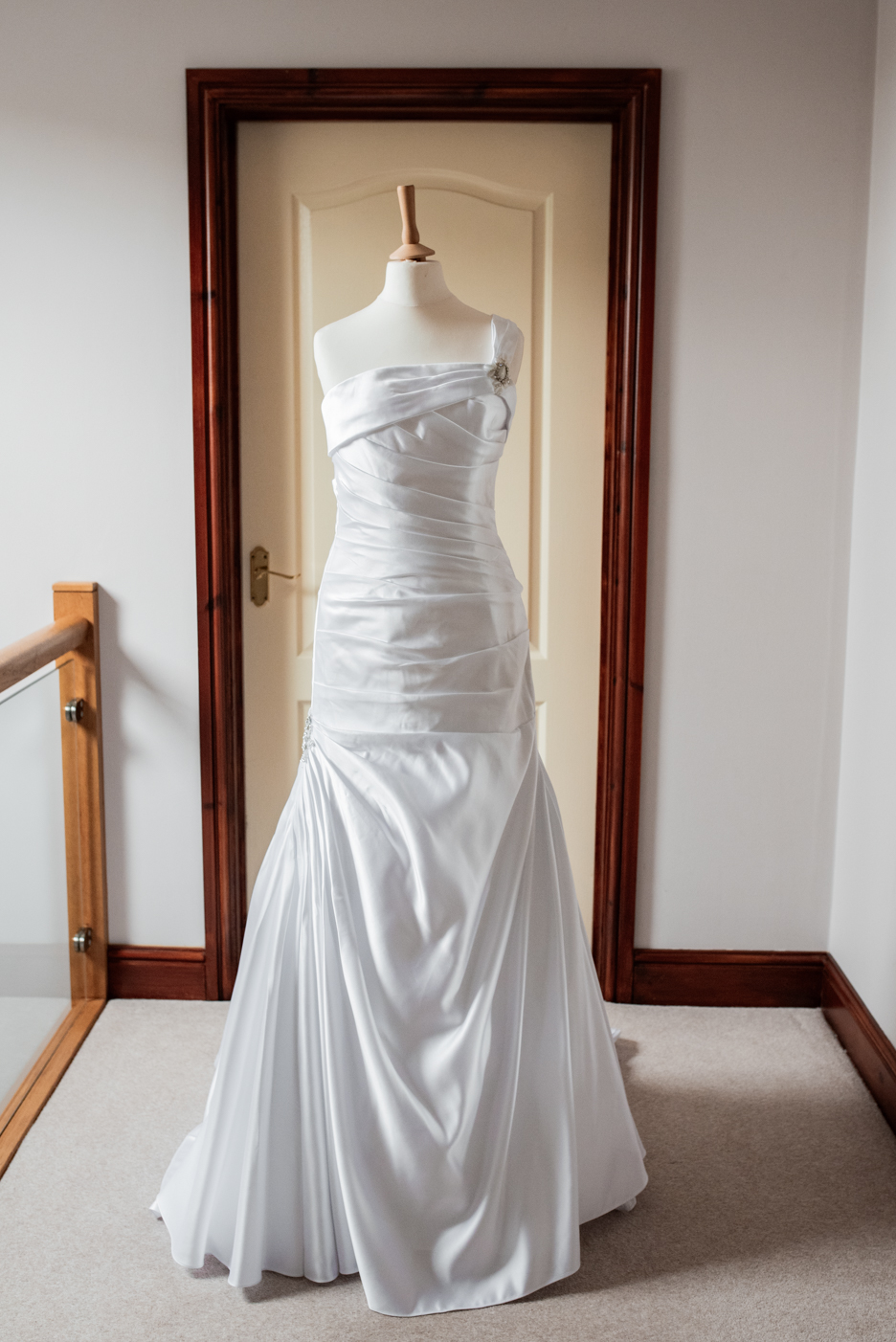
This is a relatively new concept in silhouettes, and Bridaltique has decided to include the following here, the classic mermaid silhouette and trumpet silhouette dresses within this category. Ultimately fit and flare is exactly what is states, if fits at certain parts of the body, and then flares out with varying degrees of fullness. Where it flares out, helps us define the dresses into the 3 categories.
1 – MERMAID
The mermaid silhouette (sometimes called fishtail) is a bold and glamorous choice for brides who want to show their curves. The dress hugs the body from the bust, waist, and hip and then at the knees the dress flares out dramatically. This silhouette shows off the waist and hips and is generally worn in more formal or evening wedding, and allows the bride to make a bold statement.
2 – TRUMPET
The trumpet silhouette is similar to the mermaid silhouette but the flare starts at the mid thigh area and not at the knee level. This can create a look that is less dramatic, but still has a noticeable transition into fullness. This silhouette offers glamour, and still shows off the curves of the wearer.
3 – FIT AND FLARE
Wedding dress designers are introducing flare from other points on the body, sometimes at the hips, sometime at the thigh, sometimes on one side only, but all tend to be flowing out gradually in comparison to the more dramatic trumpet and mermaid dress. The silhouette is balanced and gentle in its transition to fullness. So it is an elegant and flattering silhouette.
So to summarise for Bridaltique, Fit and Flare covers a variety of styles, and it depends on where the flare starts, and the amount of fullness it has. Whichever the sub silhouette, this is still very versatile and can be used for all types of weddings.
To conclude
As wedding dress designers become more advanced and innovative in their styles, the boundaries of which category of silhouette a dress falls into, is becoming more blurred. Ultimately choosing the shape of your wedding dress is truly a personal decision, and should reflect your own style and your vision/desire on your wedding day.
I would however recommend trying on all the different types of wedding dress silhouettes before you make your final decision, to be sure you are not missing out on that “Perfect Dress”.